
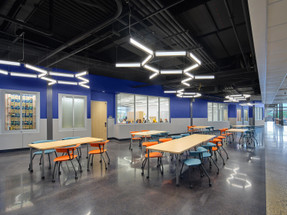
Posted by The Office Furniture Experts on May 18th 2026
Top Picks to Refresh Your School Furniture Over the summer
Schools looking for quick-ship education furniture during summer break can find reliable options through suppliers specializing in classroom desks, flexible seating, and training room essentials with accelerated delivery timelines. The summer months represent the most critical procurement window for school administrators, facility managers, and district purchasing coordinators who need to receive, assemble, and arrange furniture before students return in the fall. Office Chairs USA offers a comprehensive selection of educational furniture designed to meet tight summer deadlines while accommodating various budgets and classroom configurations.
Whether you're refreshing an elementary school classroom, outfitting a new charter school campus, or upgrading middle and high school spaces with modern learning environments, understanding your options and timing requirements is essential. This guide covers our top furniture picks organized by school type and space function, along with practical guidance on quick-ship availability and budget-conscious procurement strategies.
Why Summer Is the Critical Window for Education Furniture Procurement
Summer break is the only extended period when schools can receive, install, and arrange new furniture without disrupting the learning environment. Most school districts operate on fiscal calendars that release procurement budgets in late spring or early summer, creating a compressed timeline between budget approval and the first day of school.
The challenge for administrators and facility managers is that educational furniture orders often require longer lead times than standard office furniture. Classroom desks, chairs, and collaborative tables must meet specific durability standards for institutional use, and many manufacturers produce these items to order rather than maintaining large warehouse inventories.
Planning your procurement timeline around three key milestones helps ensure successful delivery. First, finalize your furniture specifications and quantities by early June to allow maximum lead time. Second, place orders with suppliers who offer quick-ship programs or maintain ready-to-ship inventory. Third, schedule delivery for at least two weeks before teachers return for pre-semester preparation, giving your facilities team adequate time for assembly and room setup.
Schools that wait until mid-July or later to begin the procurement process often face difficult choices between accepting whatever inventory is immediately available or starting the school year with incomplete classroom setups. Working with suppliers who understand educational timelines and stock appropriate inventory can eliminate this stress entirely.
Classroom Furniture for K-5 Elementary Schools
Elementary classroom furniture must accommodate smaller body sizes while withstanding the active use patterns of young learners. The primary considerations for K-5 spaces include appropriately scaled seating heights, durable surface materials that resist scratches and stains, and designs that support both individual work and collaborative activities.
Student desks for elementary classrooms typically range from 22 to 26 inches in height for grades K-2, increasing to 24 to 28 inches for grades 3-5. Adjustable-height options provide flexibility as students grow throughout the year and allow the same furniture to serve multiple grade levels over time. Browse our complete selection of classroom desks to find configurations that match your space requirements and student population.
Chairs for younger students should feature four-leg stability designs that minimize tipping risks during active classroom moments. The KI Intellect Wave Classroom Chair with Bookrack exemplifies the combination of durability, appropriate sizing, and practical features that elementary schools need. The integrated bookrack keeps student materials organized and off the floor, reducing clutter and trip hazards.
Storage solutions deserve equal attention in elementary settings. Young students need accessible cubbies, bins, and shelving at heights they can reach independently. Furniture that combines seating with storage helps maximize limited classroom square footage while teaching organizational skills.
Modern Education Furniture for Middle and High School Spaces
Secondary school environments require furniture that supports longer class periods, heavier textbooks and technology, and the physical dimensions of adolescent and teenage students. Modern education furniture for middle and high school spaces emphasizes ergonomic support, technology integration, and configurations that facilitate both lecture-style instruction and collaborative project work.
Desk and chair combinations for grades 6-12 should offer seat heights between 16 and 18 inches with corresponding desk surfaces at 28 to 30 inches. Many schools are moving away from traditional tablet-arm chairs toward separate desk and chair configurations that provide more work surface area for laptops, textbooks, and project materials.
Technology integration has become a defining feature of modern education furniture. Look for desks with built-in cable management channels, power access points, and surfaces large enough to accommodate both digital devices and traditional writing tasks. Brands like AMQ specialize in configurable furniture solutions that adapt to evolving technology requirements without requiring complete replacement.
The shift toward project-based learning in secondary education has increased demand for furniture that reconfigures quickly. Tables with locking casters allow teachers to transition from rows to clusters to seminar arrangements within minutes. Lightweight chairs that stack or nest simplify storage when rooms need to serve multiple purposes throughout the day.
Flexible Seating and Blended Learning Furniture Solutions
Flexible seating refers to classroom environments that offer students choices about where and how they sit during learning activities. Rather than assigning every student to an identical desk-chair combination, flexible seating classrooms incorporate a variety of options including traditional desks, standing workstations, floor cushions, wobble stools, and collaborative tables.
This approach supports blended learning furniture configurations where students rotate between direct instruction, independent digital work, small group collaboration, and hands-on activities. The furniture itself becomes a tool for differentiating instruction and accommodating diverse learning preferences and physical needs.
Implementing flexible seating successfully requires thoughtful furniture selection. Active seating options like wobble stools and balance chairs help students who benefit from movement maintain focus during seated work. Safco offers a range of active seating and mobile furniture designed specifically for educational environments where movement and reconfiguration are priorities.
Behavior classroom furniture considerations also factor into flexible seating decisions. Some students with attention or sensory processing differences thrive with seating options that provide proprioceptive input or allow controlled movement. Others need clearly defined personal space boundaries. A well-designed flexible seating classroom includes options that serve both populations.
Start small if you're new to flexible seating. Replace a portion of traditional desks with alternative options and establish clear expectations about how students select and use different seating zones. Observe which options see the most productive use and adjust your furniture mix accordingly before committing to a full classroom transformation.
Training Room and Library Furniture Essentials
Training rooms and libraries serve different functions than standard classrooms, requiring furniture optimized for adult users, extended sessions, and multipurpose configurations. These spaces often host professional development workshops, community meetings, testing sessions, and collaborative research activities in addition to their primary educational functions.
Training classroom furniture should prioritize comfort for longer seated periods and easy reconfiguration between different session formats. Flip-top tables allow quick transitions from classroom-style rows to open floor plans for activities. Nesting chairs stack compactly against walls when the room needs maximum open space. Special-T specializes in tables designed for collaborative and multi-use educational settings, offering durable surfaces and flexible configurations.
Library furniture encompasses reading areas, computer workstations, collaborative study zones, and quiet individual study spaces. Each zone benefits from furniture specifically suited to its function. Lounge seating encourages recreational reading and creates welcoming atmospheres. Study carrels provide visual privacy for focused individual work. Group tables with power access support collaborative research projects.
Explore common area seating options designed for shared school spaces where durability, comfort, and aesthetic appeal must balance. These pieces often see heavier use than classroom furniture because they serve the entire school population rather than a single class group.
Consider traffic flow and supervision sightlines when arranging library and training room furniture. Administrators and librarians need clear views across the space, while furniture placement should create natural pathways that prevent congestion during class transitions.
Quick-Ship Options for Tight Summer Timelines
Quick-ship programs exist specifically for schools facing compressed procurement timelines. These programs maintain warehouse inventory of popular educational furniture items ready for immediate dispatch, bypassing the standard manufacturing lead times that can extend six to eight weeks or longer for made-to-order pieces.
Identifying quick-ship availability requires direct communication with suppliers about current inventory levels and realistic delivery windows. Stock positions change daily during peak summer ordering season, so confirming availability at the time of order placement is essential. Ask specifically about ship dates rather than delivery estimates, and factor in ground transportation time to your location.
Prioritize your quick-ship orders around the furniture that most directly impacts student learning. Classroom desks and chairs should arrive first since instruction cannot proceed without basic student seating. Teacher furniture, storage units, and supplementary pieces can follow in subsequent shipments if necessary.
Bulk ordering often unlocks faster fulfillment because suppliers can ship complete pallets directly from distribution centers rather than consolidating partial orders. If your district is furnishing multiple schools or classrooms, coordinating orders into larger combined shipments may accelerate delivery while also qualifying for volume pricing.
Have contingency plans ready if preferred items face extended backorders. Identify acceptable alternative products in advance so you can pivot quickly without starting the selection process over. A supplier with broad inventory across multiple brands can often find comparable quick-ship alternatives when first-choice items are unavailable.
Get Your School Furnished Before Fall with Office Chairs USA
Office Chairs USA serves as a procurement partner for schools navigating summer furniture timelines, offering educational furniture and equipment across all classroom types and grade levels. Our inventory includes trusted contract-grade brands like Global that meet the durability standards institutional buyers require while providing the selection depth to furnish complete campuses from a single source.
Working with a supplier who understands educational procurement means more than just accessing product inventory. It means getting accurate lead time information, realistic delivery scheduling, and responsive communication when questions arise mid-order. Schools operate on fixed calendars with immovable deadlines, and your furniture supplier should treat those deadlines with the same urgency you do.
Budget-conscious districts benefit from our ability to recommend alternatives at multiple price points without sacrificing the durability that educational environments demand. We can help you identify where premium features justify higher investment and where value-oriented options deliver equivalent classroom performance at lower cost.
Contact our education furniture specialists to discuss your summer procurement timeline, quantity requirements, and budget parameters. We can provide current stock availability, estimated delivery windows, and product recommendations tailored to your specific grade levels and space configurations. Starting that conversation now, rather than waiting until summer is underway, gives you maximum flexibility to secure the furniture your students and teachers need before the first bell rings.
Frequently Asked Questions
What is the best classroom furniture to buy over the summer?
The best classroom furniture for summer procurement includes student desks and chairs sized appropriately for your grade levels, teacher desks with adequate storage, and collaborative tables that support group work. Prioritize items from suppliers with quick-ship inventory to ensure delivery before fall. Elementary schools should focus on durability and appropriate scaling, while secondary schools benefit from technology-integrated options and flexible configurations.
How long does education furniture take to be delivered?
Standard educational furniture orders typically require four to eight weeks for delivery when items are manufactured to order. Quick-ship programs can reduce this timeline to one to two weeks for items maintained in warehouse inventory. During peak summer ordering season, lead times often extend beyond normal estimates due to high demand, making early ordering essential for schools with fixed fall deadlines.
What types of educational furniture do schools need most?
Schools need student desks and chairs as foundational classroom furniture, followed by teacher workstations, storage solutions, and collaborative tables. Libraries require a mix of study carrels, lounge seating, and computer workstations. Training rooms benefit from flip-top tables and nesting chairs that reconfigure easily. The specific mix depends on grade levels served, teaching methodologies used, and available space.
How can schools buy educational furniture on a budget?
Schools can stretch furniture budgets by ordering in bulk to access volume pricing, selecting value-tier products that meet durability requirements without premium features, and prioritizing spending on high-impact items like student seating while economizing on supplementary pieces. Coordinating orders across multiple schools within a district often unlocks better pricing and shipping efficiencies.
What is flexible seating and is it right for my classroom?
Flexible seating provides students with choices about where and how they sit, incorporating options like wobble stools, standing desks, floor cushions, and traditional chairs within the same classroom. This approach supports differentiated instruction and accommodates diverse learning preferences. Flexible seating works well in classrooms using blended learning models or project-based instruction but requires clear expectations and gradual implementation.
How do I choose the right classroom furniture for different age groups?
Select furniture based on ergonomic sizing standards for each age group. Elementary students (K-5) need seat heights of 12 to 16 inches and desk heights of 22 to 28 inches. Middle and high school students require adult-proportioned furniture with seat heights of 16 to 18 inches and desk heights of 28 to 30 inches. Adjustable-height options provide flexibility across grade levels and accommodate individual size variations within classrooms.
What should schools look for when buying modern education furniture?
Modern education furniture should offer durability for institutional use, ergonomic support for extended class periods, and adaptability for evolving teaching methods. Look for technology integration features like cable management and power access, easy reconfiguration through casters or lightweight construction, and surface materials that resist damage while remaining easy to clean. Contract-grade certifications indicate products tested for educational environment demands.