
Posted by The Office Furniture Experts on Feb 17th 2026
The Definitive Guide to Conference Chairs
A well-chosen conference chair quietly drives better meetings. The right seating blends executive-level design, ergonomic support, and practical features that keep people comfortable and focused—whether you’re outfitting a boardroom or a flexible training space. This guide explains what to look for, how to match chairs to your table and room style, and where to buy modern, durable options that scale. Along the way, we highlight curated picks from Office Chairs USA and share testing and maintenance tips so your investment pays off in daily performance and long-term value.
Executive Conference Chairs for Boardrooms
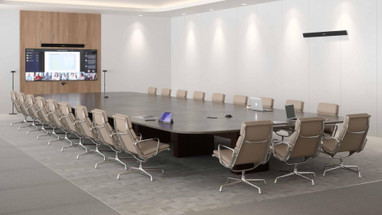
Executive conference chairs combine superior ergonomic support, elevated materials, and clean, cohesive aesthetics appropriate for leadership spaces. Hallmark details include high-back silhouettes, plush yet supportive foam, smooth tilt and swivel mechanisms, and refined leather (or eco-leather) finishes that signal polish without sacrificing comfort. As industry guidance emphasizes, conference seating is an investment in productivity, user comfort, and the overall room atmosphere (see Vermund’s overview of conference chairs).
Leather or eco-leather reads classic and executive; modern mesh offers breathability and a lighter profile. For example, the sleek lines of the OfficeChairsUSA Management Conference Chair add presence around a long table while maintaining all-day usability. If you prefer a softer look at a lower profile, low-back and mid-back executive options can keep sightlines open without compromising ergonomics.
Top executive models to consider include the Woodstock Janis Highback or the @NCE Contemporary Executive Chair, which are streamlined, timeless, and conference-ready; the G8 Conference Management Chair, which brings a refined management aesthetic paired with modern ergonomics; and the National Office Karid Conference Chair, which delivers tailored contours and premium finishes for signature boardrooms.
Ergonomics and Comfort in Conference Seating
Ergonomics is the science of designing furniture to fit the user’s body and reduce discomfort or injury over time. In conference settings, the must-haves include adjustable seat height to align users and tables for proper posture and reach, lumbar support—either fixed or dynamic—to keep the lower back neutrally supported, contoured seat and back cushions that distribute pressure without hotspots, and smooth tilt and swivel functions that encourage micro-movements and quick orientation shifts during discussion.
Research-backed guidance emphasizes that adjustable seat height helps match chair to table, and swivel mechanisms allow users to turn toward the conversation quickly—small details that preserve attention and flow. For due diligence, run a 30-minute “sit test” to validate pressure distribution, back support, and ease of adjustments (see Onmuse’s 2025 furniture trends report for practical testing cues).
Ergonomic-forward conference options to review include versatile task-conference hybrids and comfort-tuned models in our Conference Room Seating collection. Many specifiers also shortlist performance lines like the Hon Ignition 2.0 Conference Chair for conference use when they want task-grade ergonomics with a coordinated meeting-room look.
Key Features to Consider When Choosing Conference Chairs
Getting the details right saves time and budget while improving day-to-day usability. Focus first on lumbar support, whether a well-shaped fixed contour or an adjustable zone, to maintain healthy spinal alignment over longer meetings. Consider armrest style—fixed, loop, or adjustable—so chairs slide under tables cleanly and still allow natural movement during discussion. Verify weight capacity to align with user needs and commercial building standards, and confirm that models carry appropriate ratings. Keep adjustability intuitive by prioritizing seat height and tilt, and specify more advanced mechanisms only if staff will reliably use them. Decide on mobility early: casters and swivel bases encourage collaboration and fast reconfiguration, while glides favor stable rows. If you host trainings or lectures, event-oriented add-ons such as tablet armchairs and chair links can add structure and prevent unwanted movement (see Burgess Furniture’s conference chair guide).
Feature quick-reference:
-
Lumbar support reduces fatigue and back strain. It may be delivered via a fixed contour or an adjustable element, and higher-quality support makes a noticeable difference during longer meetings.
-
Armrests influence posture and how well a chair fits at a table. Options include fixed, loop, or height-adjustable arms—adjustable arms typically cost more but provide a better individual fit.
-
Seat height adjustment, usually controlled by a pneumatic lever, is essential in shared spaces where users vary widely in height.
-
Tilt and swivel features promote engagement and natural movement. Mechanisms range from center-tilt and knee-tilt to synchro-tilt, with more complex mechanisms generally increasing cost.
-
Mobility options impact workflow and flooring. Casters allow easy movement and quick layout changes, while glides offer greater stability and help protect sensitive surfaces.
-
Event features such as tablet arms and chair links enhance training and multipurpose use, though they may require additional storage planning
Budget note: Choosing simpler conference chairs instead of fully executive models can save about 10–15% per chair while still meeting core functional needs.
Mobility, Flexibility, and Space-Saving Seating Options
For dynamic spaces, stackable and nesting chairs are heroes. Stackable chairs are seating that can be piled vertically for efficient storage—ideal for multi-use rooms where layouts change frequently. Foldable and nesting designs save even more square footage, though some sacrifice plushness compared with executive seating. Chairs with casters and swivel bases add day-to-day flexibility, making it easy to slide in and out, reconfigure layouts, and turn toward presenters.
When choosing among these options, prioritize storage if your space regularly hosts short events, trainings, or frequent room flips, since compact stacks and nests speed transitions and free up square footage. Prioritize comfort if you run daylong workshops or board meetings, where thicker foams and more substantial mechanisms support attention and reduce fatigue. Many facilities benefit from a blended approach: maintain a core set of premium conference chairs for everyday meetings, then supplement with stackables as overflow seating for peak demand.
Shop flexible options in our Stacking & Nesting Chairs collection for cohesive looks and easy storage across departments.
Matching Chairs with Conference Tables and Room Design
A unified meeting room starts with consistency across finishes, proportions, and silhouettes. Coordinate chair frame finishes with table bases and hardware—for example, pair polished aluminum with chrome table legs or choose matte black to align with powder-coated frames. Harmonize upholstery colors and textiles with your brand palette as well as surrounding wall, stone, and wood tones so the room reads as intentional rather than improvised. Mind proportions by confirming that seat and armrest heights clear the table apron, and use adjustable seat height to fine-tune posture and reach across varying table profiles. Keep design eras consistent as well: contemporary ribbed leather chairs naturally complement minimalist veneer tables, while tailored textile chairs tend to reinforce the warmth and texture of wood tops.
Looking for clean, matching lines? Explore our Conference Room Seating collection or reach out to one of our experts to better evaluate all of your options.
Materials, Durability, and Sustainability for Long-Term Value
Conference chair materials range from warm wood and lacquered metals to leather and sustainable textiles, with many organizations now prioritizing environmentally responsible options and low-VOC finishes (as highlighted in Vermund’s conference seating perspective). To extend lifespan and reduce lifecycle costs, choose models with replaceable upholstery and components; reupholstering seat and back panels can add years of service while reducing waste. Modular designs and upgradable parts also support circularity and long-term value.
Material and durability snapshot:
Leather and eco‑leather excel in durability and develop character with periodic conditioning; eco-leather and certified hides can help reduce environmental footprint, and warranties commonly span multiple years depending on the model. Performance textiles are breathable and often available with easy-clean finishes; many incorporate recycled content and carry third-party certifications, with multi-year warranties typical. Mesh promotes airflow and resists heat buildup; while material recyclability varies by line, mesh chairs frequently include multi-year coverage. Wood and veneer accents deliver timeless appeal but require gentle cleaning and care; when FSC sourcing is specified, they contribute to responsible forestry goals and usually carry multi-year warranties. Metal frames such as steel or aluminum are highly durable and wipe clean with ease; their high recyclability rates further support sustainability, and coverage is generally multi-year across models.
*Always confirm exact coverage on the product page.
Step-by-Step Selection Checklist for Conference Chairs
Begin by measuring your room and table, then estimate capacity by dividing usable square footage by 10 to arrive at a comfortable chair count for most layouts (based on practical planning guidance in recent trends analyses).
Next, categorize your meeting types—brief stand-ups, 60–90 minute reviews, or all-day sessions—so you can set ergonomic priorities that match real use. Decide early on mobility and event features, choosing between casters or glides and determining whether add-ons like tablet arms and chair links will support training or lecture configurations.
With function defined, shortlist materials and durability criteria that reflect your brand look and maintenance plan. Run in-room sit tests of at least 30 minutes to validate comfort, clearance under the table, and sightlines to displays.
Finally, specify maintenance preferences and ensure access to spare parts so you can repair or reupholster components rather than replace entire chairs, keeping lifetime costs down.
Practical Tips for Testing and Maintaining Conference Seating
Whenever possible, trial chairs in the actual room to confirm table clearance, screen visibility, acoustics, and door traffic patterns, and favor simple, intuitive adjustments—especially seat height and tilt—over complex mechanisms that users rarely employ. Establish a maintenance schedule that includes regular vacuuming or wiping of upholstery, prompt spot-cleaning, and quarterly wear checks to catch issues early. When evaluating product lines, prioritize those with available replacement components so you can repair, reupholster, or refresh finishes as needed instead of replacing full chairs.
Where to Buy Modern and Executive Conference Chairs
Office Chairs USA curates ergonomic, stylish, and durable seating for U.S. businesses—from luxury executive chairs to modern stackables—with expert guidance at every step. We offer free finish samples, white-glove installation, and live support to assist with specifications and installation.
Frequently Asked Questions
What makes a conference chair comfortable for long meetings?
Supportive lumbar, contoured cushions, and easy seat-height and tilt adjustments reduce pressure and help maintain posture over time.
How do I choose chairs that fit different meeting types and durations?
Match ergonomics to duration: use adjustable, well-padded chairs for longer sessions and lighter, stackable seating for short or occasional meetings.
What are the benefits of stackable or mobile conference chairs?
They save space, speed up room reconfiguration, and allow you to scale seating for changing needs or larger events.
How many chairs should fit comfortably in a conference room?
A quick rule of thumb is to divide usable square footage by 10 and keep about 2 feet between rows or seating zones for movement.
How can I maintain and extend the life of conference chairs?
Clean upholstery regularly, log wear checks, and choose models with replaceable parts so you can repair or reupholster instead of replacing.